
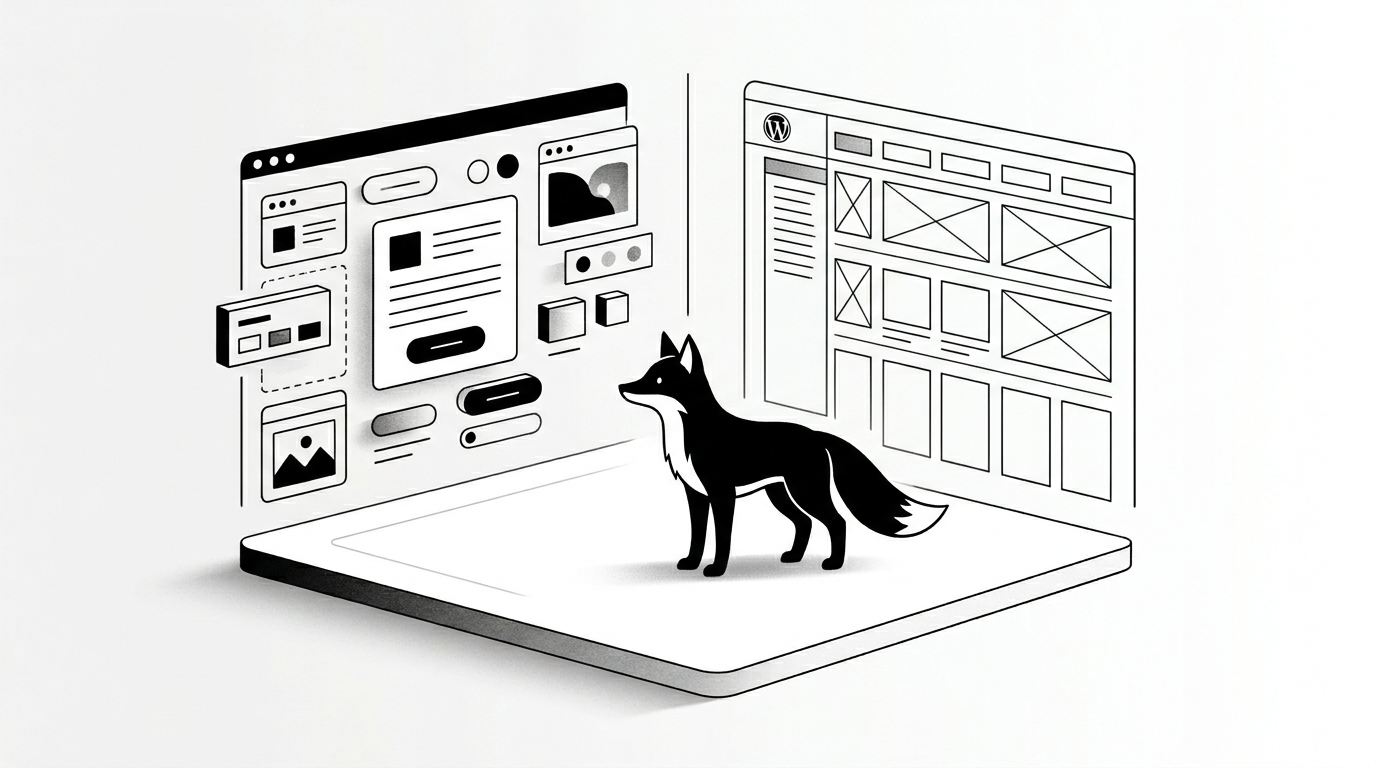
If you are gearing up to build a WordPress website, one of the most paralyzing decisions you will face is whether to rely on a visual builder like Elementor or stick to a traditional WordPress theme.
This is a massive source of confusion—even seasoned developers and high-end agencies constantly debate it.
In this guide, I will cut through the noise and explain the real differences based on practical agency experience, raw performance metrics, and actual SEO impact.
What is a WordPress Theme?
A WordPress theme acts as the fundamental blueprint for your entire website.
- Defines your global layout and structural styling rules
- Controls core elements like your header, footer, and default blog layouts
- Highly optimized, strictly coded, and focused purely on performance
Industry standard examples: Astra, GeneratePress, or the Hello Theme.
What is Elementor?
Elementor is a powerful visual page builder that completely transforms the design process with an intuitive drag-and-drop interface.
- Requires absolutely zero coding knowledge
- Grants you full visual control over every single pixel on the screen
- Incredibly fast for rapidly prototyping and launching marketing landing pages
Essentially, it bypasses the traditional WordPress editor in favor of a live, visual canvas.
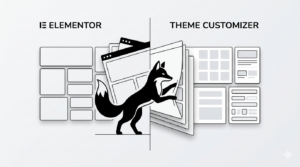
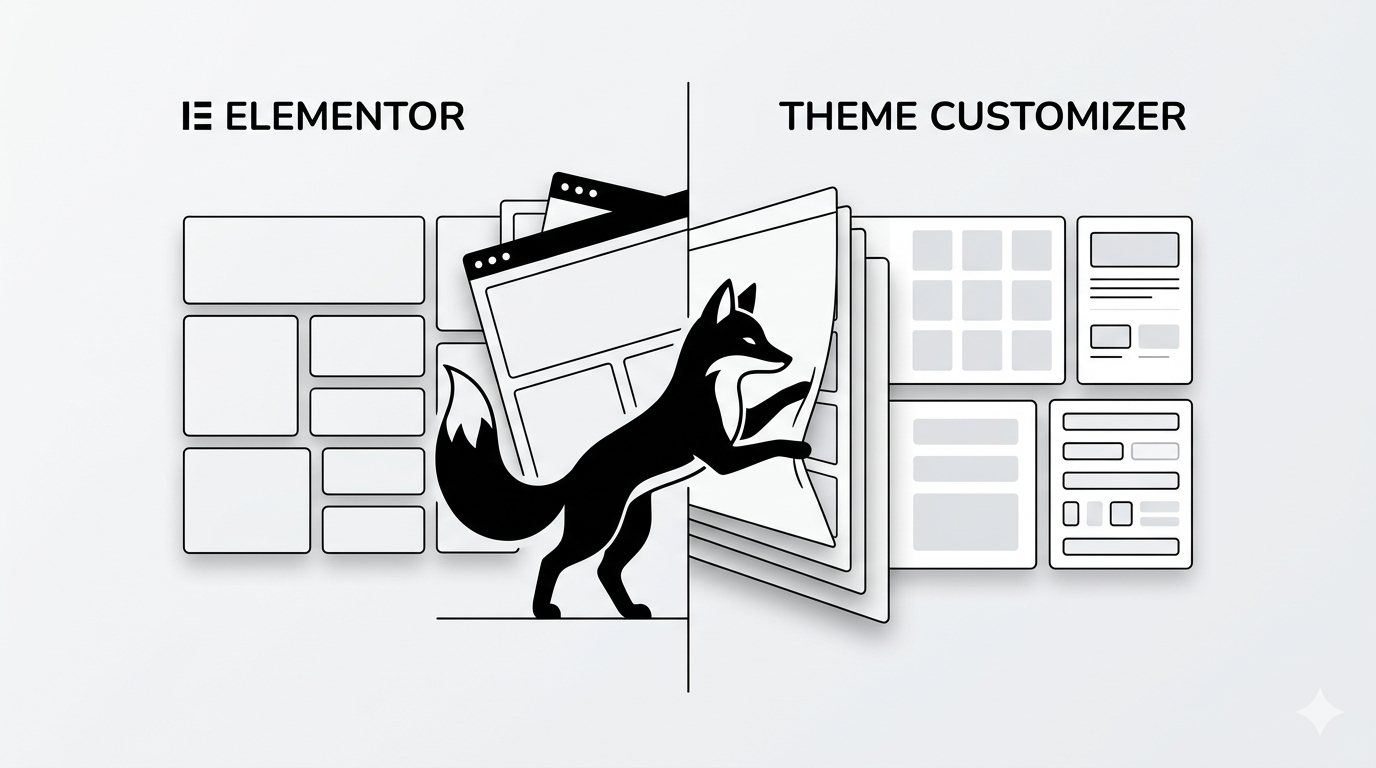
Elementor vs. Theme — The Key Differences
| Feature | Traditional Theme | Elementor |
|---|---|---|
| Performance | Blazing fast and lightweight | Naturally heavier (requires optimization) |
| Ease of Use | Moderate learning curve | Incredibly intuitive and visual |
| Design Control | Restricted by the theme’s core rules | Limitless creative freedom |
| SEO Impact | Excellent (Google loves fast code) | Good, but requires strict speed management |
| Best For | High-traffic blogs and massive content sites | Marketing agencies and custom sales funnels |
When You Should Rely on a Theme
You should lean entirely on a traditional theme if:
- Raw loading speed is your absolute top priority
- You are aggressively competing in tight niches for SEO rankings
- Your primary focus is publishing a massive volume of text-based blog content
This is the smartest choice for long-term, highly scalable content websites.
When You Should Unleash Elementor
You should utilize the power of Elementor if:
- You need to design complex, beautiful layouts without touching a line of code
- Your business relies on highly customized marketing and sales pages
- You are a freelancer or agency that needs to deliver visual results to clients quickly
This is the ultimate choice for rapid design flexibility and high-end client work.
Real Agency Experience (The Hidden Truth)
Based on hundreds of real-world agency projects, the biggest issue isn’t choosing between Elementor or a theme—it’s how dangerously they are combined.
Many beginners treat Elementor as a hammer and every page as a nail, which directly causes:
- Severely bloated and slow-loading websites
- Heavy server response times and poor Core Web Vitals
- Frustrating layout breaks every time a major update rolls out
The best practice? Stop treating them as enemies and use them strategically together.
The Ultimate Hybrid Setup (The Pro Strategy)
If you want the exact setup used by elite WordPress agencies, here is the golden rule:
- Install an ultra-lightweight foundational theme (like Astra or Hello Elementor)
- Restrict Elementor strictly to your homepage, sales pages, and specialized funnels
- Use the native WordPress block editor (Gutenberg) for all your standard blog posts
This hybrid approach guarantees the perfect balance between beautiful design flexibility and elite performance.
How They Actually Impact Your SEO
- Themes → Lean code equals faster speeds, which Google directly rewards with higher rankings.
- Elementor → Generates more background code, meaning you must actively optimize your caching and images to maintain top-tier SEO.
Remember: Google’s algorithm rewards speed, stability, and content—not design complexity.
Avoid These Rookie Mistakes
- Forcing Elementor to build every single basic text article on your site
- Ignoring your theme’s built-in performance and typography settings
- Failing to optimize your images and defer your scripts to handle builder bloat
- Installing dozens of unnecessary Elementor “add-on” plugins that ruin your site speed
The Final Verdict
There is no single “winner” here—there is only the right strategy for your specific business goals.
- Use Themes when speed, simplicity, and technical SEO are your only priorities
- Leverage Elementor when visual design, branding, and conversions matter most
- Combine both intelligently for the ultimate agency-grade website infrastructure
Keep Optimizing Your Infrastructure
- How to permanently fix Elementor when it breaks your layout
- Proven strategies to drastically speed up your WordPress website
- The absolute best high-performance WordPress hosting providers
- How to easily troubleshoot the 500 Internal Server Error
✔ The highest-performing WordPress websites in 2026 aren’t stubbornly built with just one tool—they are built by seamlessly combining the right tools for the right job.
Share: